Full List of What is Allowed and Not Allowed in Your Dumpster
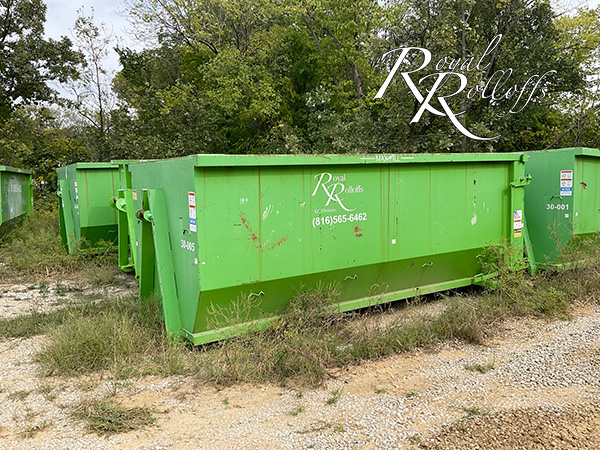
When planning your next cleanout or remodel in the Independence, MO community, knowing which materials can safely be placed in a dumpster is essential. Homeowners and contractors are often unaware to learn that certain items cannot go into a dumpster. This knowledge helps reduce complications, additional fees, and health and safety risks during your project. At Royal Rolloffs, our goal is to make disposal straightforward by guiding you through what is acceptable and what must be handled separately. This information allows you to maximize your rental and avoid problems.
Proper waste disposal is about more than just convenience. It helps meet city and state rules, keeps workers and residents safe, and reduces pollution. Knowing what is allowed and what is restricted, you can keep your project running smoothly from start to finish. In this guide we outline typical types of debris, shows what to avoid, and shares best practices for preparing materials.
Household Junk and General Debris
Most household junk and general debris can be safely placed in a dumpster rental. These include things like broken chairs, unwanted clothing, old toys, cardboard boxes, and everyday trash. These are the materials most frequently found in residential dumpsters. When emptying rooms full of clutter, these are typically the first items to go into the container. Keeping them together and organized helps maximize space and keeps the loading process efficient.
You can also dispose of materials from home renovation such as drywall and flooring. These are typical results of repairs and remodels. Load heavy items first and break apart large debris for better space use. It helps balance the weight and leaves room for trash bags and soft goods. Continuous sorting keeps the project organized and avoids overflow.
Landscaping Debris and Outdoor Waste
Your dumpster can handle most yard debris including trimmings and brush. These containers are convenient for major landscaping or seasonal yard work. Separating green waste from general junk helps with recycling and disposal rules. Consider trimming or removing tree stumps in advance, because they often require additional handling.
Outdoor materials such as fencing, decks, and patio furniture are also acceptable as long as they are free from hazardous coatings. Treated lumber with hazardous coatings must be excluded, as they cannot be handled with normal debris. If you are replacing concrete or bricks, these can also go into a dumpster but should be loaded evenly to avoid overloading. Distributing the weight evenly is important for safe transportation and compliance with road weight limits.
What You Must Keep Out of the Dumpster
You cannot put every type of waste inside the dumpster. Hazardous waste, such as paint, chemicals, pesticides, oil, gasoline, and solvents, cannot be disposed of in this way. Such materials can cause contamination and harm sanitation workers. Your local hazardous waste program can direct you to the right facility.
Appliances containing refrigerants, such as refrigerators and air conditioners, may also be restricted unless they have been properly drained. These items need to be recycled through specialized programs. Medical waste, biohazard materials, and certain contaminated soils are also prohibited. Learning the prohibited items early avoids project delays.
Building and Renovation Waste
Jobsite containers are ideal for debris created during building and demolition work. Wood, roofing materials, metal, and concrete are typically allowed and may be placed in the same container. Grouping debris by category helps reduce landfill waste and supports sustainable disposal. Royal Rolloffs works with customers to ensure their construction debris is handled efficiently and within legal requirements.
Demolition projects can create piles of plaster, broken tile, and window frames. These are allowed unless they contain restricted click here contaminants. If there is any concern about asbestos, it must be tested and removed by a licensed professional before disposal. Planning ahead prevents stoppages and protects workers.
Special Handling for Heavy Materials
Heavy materials such as concrete, dirt, rocks, and asphalt can be disposed of in a dumpster, but they require special handling. Too much heavy debris risks violating weight limits. Customers should be mindful of how much heavy material is placed inside to avoid exceeding weight limits. In some cases, separating these materials into smaller loads may be necessary to ensure safe hauling.
If you are working on a landscaping or excavation project, loading dirt and rock carefully helps balance the weight in the container. Even loading avoids damage and makes pickup safer. We can suggest the safest plan if you inform us about heavy materials first. Planning ahead ensures that the container is used safely and efficiently for your project needs.
Environmentally Responsible Practices
Environmentally aware disposal benefits everyone in the area. Careful sorting reduces landfill impact and protects the environment. Royal Rolloffs helps ensure waste is processed with environmental care. This commitment helps keep Independence, MO, clean and safe for future generations.
When customers take time to separate recyclables like metal, cardboard, and certain plastics, it makes the disposal process more sustainable. It benefits both the environment and the disposal process. Royal Rolloffs helps clients organize their waste for proper disposal. Doing this means you meet local guidelines while acting responsibly.
Making Dumpster Rentals Work for Every Project
Learning the rules helps avoid issues during the rental period. People throughout Independence, MO, count on Royal Rolloffs for expert guidance and quality dumpsters. Smart preparation and sorting keep the work flowing smoothly. We focus on keeping the rental process convenient and secure. Whatever the job, we provide the right dumpster solution for your project.